Auto Wrecking and Flatbed Towing in Morgantown, West Virginia
Some vehicles should not be moved with a conventional tow. Significant collision damage, broken suspension components, damaged wheels, low ground clearance, or drivetrain problems can all make flatbed transport the safer option. Morgantown Towing provides flatbed towing for vehicles that cannot be driven safely or should remain completely off the road during transport.
The condition of the vehicle determines how it should be loaded. A car with a damaged wheel may need to be winched onto the bed rather than driven up, while an AWD or 4WD vehicle may benefit from having all four wheels off the pavement during transport. We also consider ground clearance, steering condition, fluid leaks, and whether damaged body panels could interfere with loading.
Why Flatbed Towing Is Often Better for Damaged Vehicles
Accident-damaged vehicles can have problems that are not immediately obvious. Suspension components may be bent, wheels may no longer track correctly, or body damage may prevent the vehicle from rolling normally. Pulling a vehicle in that condition with two wheels on the road can place additional stress on already-damaged parts.
Flatbed towing allows the entire vehicle to rest on the truck bed once it is loaded and secured. That can reduce unnecessary movement during transport and makes it a practical choice for collision-damaged vehicles, low-clearance cars, non-running vehicles, and certain AWD or 4WD models.
In Morgantown, steep streets and uneven terrain can make secure loading even more important. We evaluate the vehicle before transport and choose a method that fits its condition, location, and destination so it can be moved with as little additional risk as possible.
Flatbed Towing Services
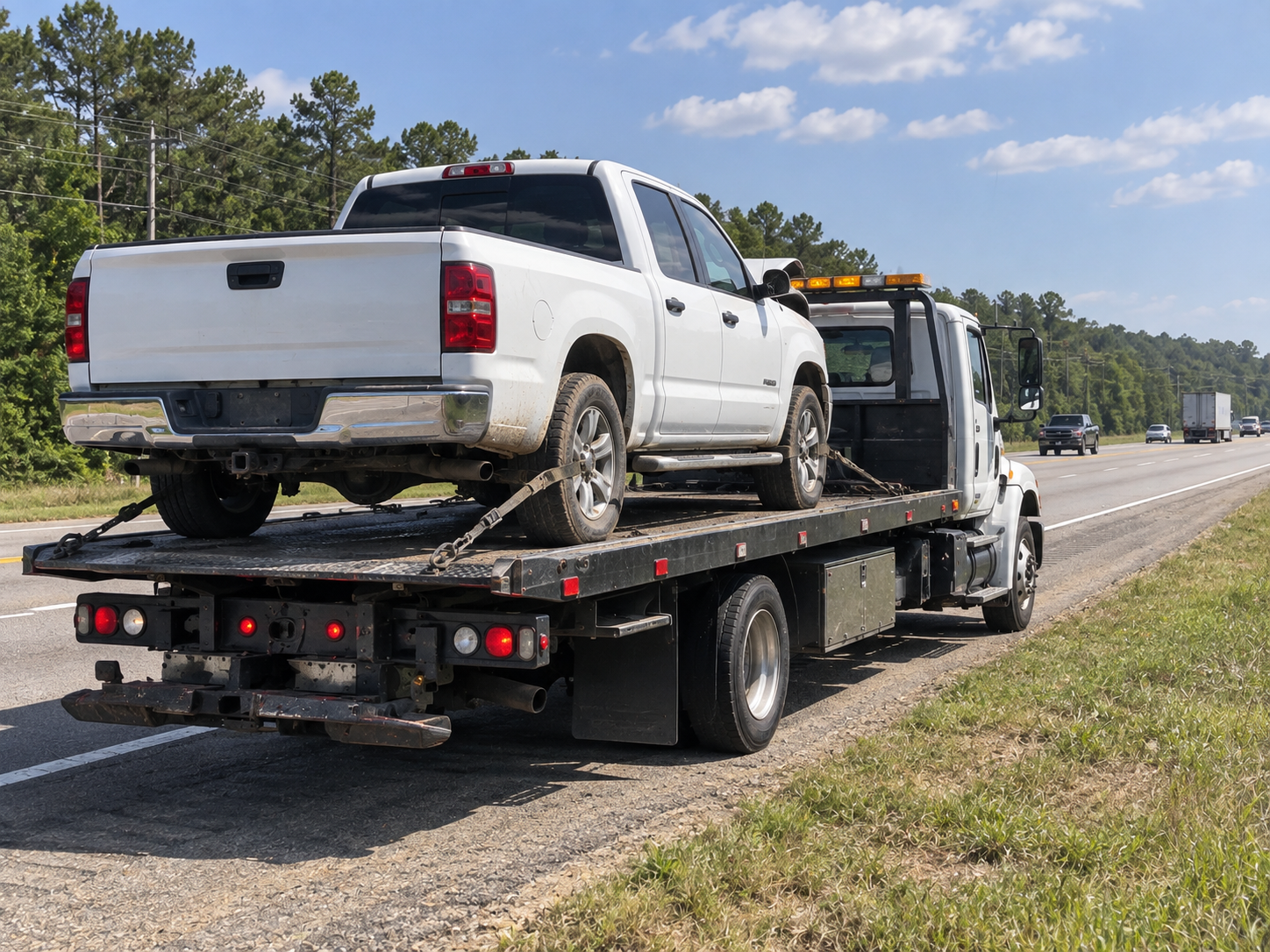
Flatbed towing keeps all four wheels of the vehicle off the road during transport. That makes it a strong option for vehicles that should not be pulled with part of the drivetrain still turning, as well as for cars that are damaged, low to the ground, or unable to roll normally.
This method is often appropriate for:
- AWD and many 4WD vehicles
- Accident-damaged cars
- Vehicles with steering or suspension problems
- Low-clearance vehicles
- Cars with damaged wheels or tires
- Non-running vehicles
- Longer-distance transport when minimizing drivetrain movement is preferred
The vehicle is typically winched onto the bed, positioned correctly, and secured at appropriate tie-down points before transport begins. Proper securement matters because the vehicle should remain stable during braking, turns, and changes in grade.
That is especially relevant in Morgantown, where steep roads and uneven terrain can add extra stress during vehicle transport. Flatbed towing is not automatically required for every tow, but when the condition or drivetrain of the vehicle makes conventional towing less appropriate, it can provide a safer and more controlled way to move the vehicle to its destination.
Recovering Heavily Damaged or Non-Running Vehicles
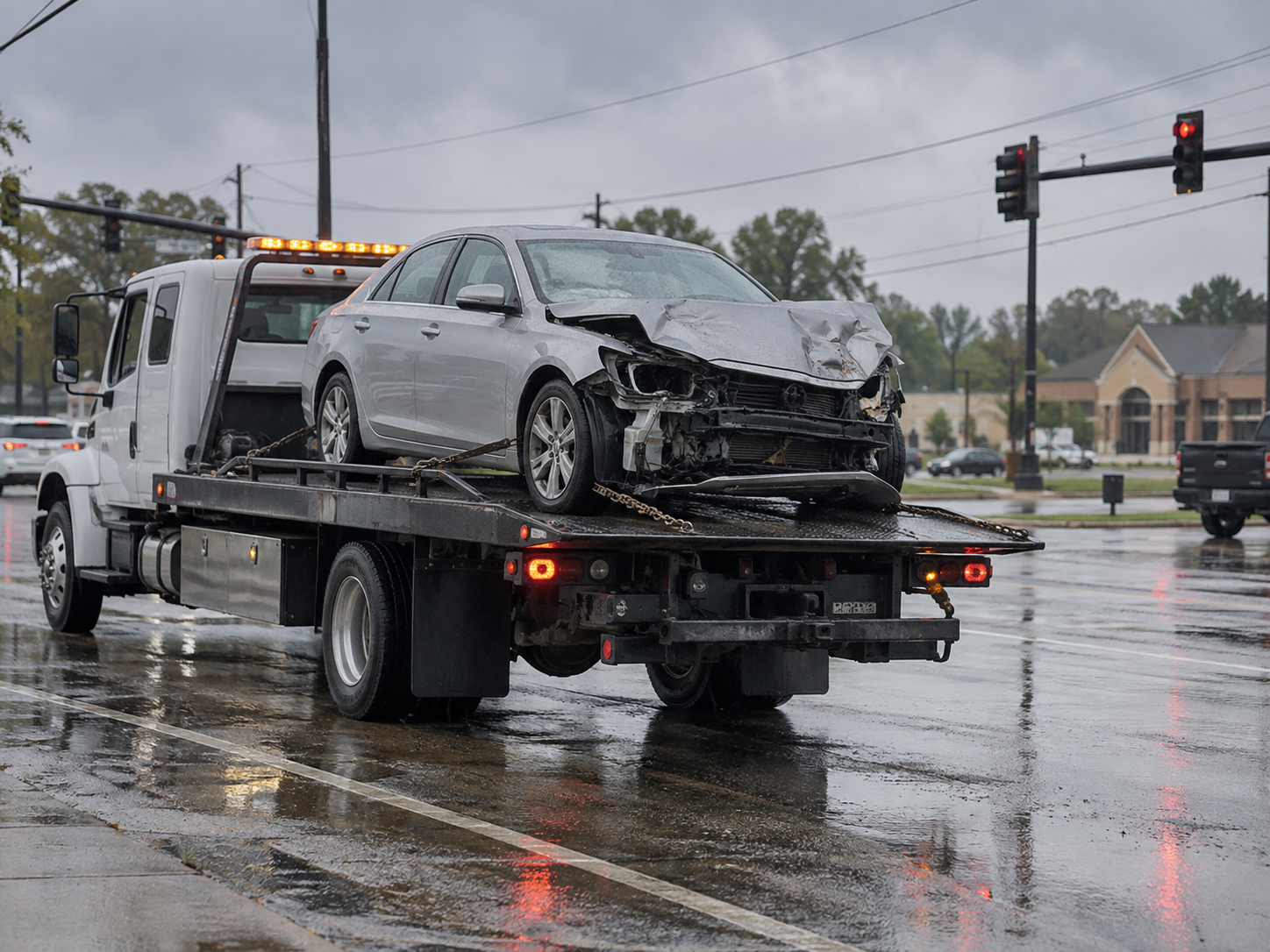
Some vehicles cannot be loaded and moved like a routine breakdown. Severe collision damage, broken suspension components, damaged wheels, or a vehicle resting in an awkward position can require a more careful recovery process before transport even begins.
Morgantown Towing evaluates the vehicle’s condition, location, and accessibility before deciding how it should be moved. A car sitting on a steep shoulder, down an embankment, or with wheels that no longer roll normally may require winching or flatbed loading rather than a standard tow.
If a vehicle is beyond repair, it may need to be transported to a salvage yard, storage facility, or another designated location. The goal is to recover and move the vehicle without creating additional damage or unnecessary risk during loading.
When you call, describe anything that may affect recovery, including damaged wheels, broken suspension parts, leaking fluids, or where the vehicle is positioned. Those details help determine what equipment may be needed before arriving.
What Happens to Your Vehicle After a Collision?
A vehicle may still start after an accident and still be unsafe to drive. Damage to steering, suspension, tires, wheels, cooling components, or body panels can make continued driving risky even when the problem is not immediately obvious.
If there is any question about the vehicle’s condition, towing it can prevent additional damage and get it to a location where it can be properly inspected. Morgantown Towing can transport accident-damaged vehicles to a body shop, repair facility, storage lot, residence, or another destination you select.
Before pickup, let us know about visible damage such as:
- Bent or damaged wheels
- Tires that will not hold air
- Fluid leaks
- Deployed airbags
- Steering or suspension damage
- Body panels rubbing against a tire
- A vehicle that cannot roll or steer normally
That information helps determine whether flatbed towing, winching, or another recovery method is appropriate.
If the collision occurred on I-79, I-68, or another busy Morgantown roadway, personal safety comes first. Follow instructions from police or emergency personnel at the scene, and avoid attempting to drive a vehicle that no longer feels or operates normally.
When a Vehicle Cannot Roll or Drive Normally
Some disabled vehicles cannot simply be driven onto a tow truck or pulled using a conventional towing setup. A flat tire, broken suspension component, steering failure, damaged wheel, seized drivetrain, or serious engine problem can all prevent a vehicle from moving normally.
In those situations, flatbed towing can provide a more controlled way to transport the vehicle. The vehicle can be winched onto the bed rather than relying on it to run or roll under its own power. This is especially useful when accident damage or mechanical failure has affected the wheels, steering, or suspension.
Before loading, we consider the vehicle’s condition and anything that could complicate the process. A locked wheel, low ground clearance, leaking fluid, or damaged body panel may change how the vehicle needs to be positioned and secured.
Our goal is to avoid unnecessary movement of already-damaged components and get the vehicle onto the truck as safely as possible. Once secured, it can be transported to a repair shop, dealership, body shop, residence, or another destination you choose.
If your vehicle cannot move safely on its own, let us know what happened and what condition it is in when you call. That information helps determine the equipment and loading method that make the most sense for the situation.
How We Load and Secure Damaged Vehicles
Loading a damaged or disabled vehicle takes more care than a routine tow. Bent wheels, loose body panels, suspension damage, low ground clearance, or a vehicle that no longer rolls properly can all affect how it should be moved onto the truck.
Before loading, we look at the vehicle’s condition and accessibility so we can choose the safest approach. In some cases, the vehicle may need to be winched onto a flatbed rather than driven or pulled normally. Once it is positioned, it is secured at appropriate points to help prevent movement during transport.
That matters in Morgantown, where steep grades, sharp turns, and uneven roads can place additional stress on a vehicle during transport. Proper positioning and securement help reduce unnecessary movement and protect damaged components from further stress.
Clear Communication From Pickup to Drop-Off
Towing is not just about moving a vehicle from one place to another. Customers also need to know what is happening, what type of equipment is being used, and where the vehicle is being taken.
We start by understanding the condition of the vehicle and what caused the problem. From there, we determine the towing method that makes the most sense and explain what to expect before the vehicle is moved.
If the car was damaged in a collision, cannot steer normally, has a broken wheel, or is sitting in a difficult location, those details can affect the recovery process. Clear information helps us arrive better prepared and avoid unnecessary delays.
Our goal is to keep the process simple and predictable from the first call through the final drop-off.
Need Flatbed or Vehicle Recovery Service in Morgantown?
If your vehicle is too damaged or disabled to drive safely, Morgantown Towing can help determine the most appropriate way to move it. Flatbed towing is often a good option for accident-damaged vehicles, AWD or 4WD vehicles, low-clearance cars, and vehicles with wheel, suspension, or steering problems.
The right towing method depends on the condition of the vehicle, where it is located, and where it needs to go. A car sitting on a steep shoulder or with damaged wheels may require a different recovery approach than a vehicle that simply will not start in a parking lot.
Contact us with your location, vehicle information, visible damage, and intended destination. We can use those details to determine the equipment and towing method that best fit the situation.